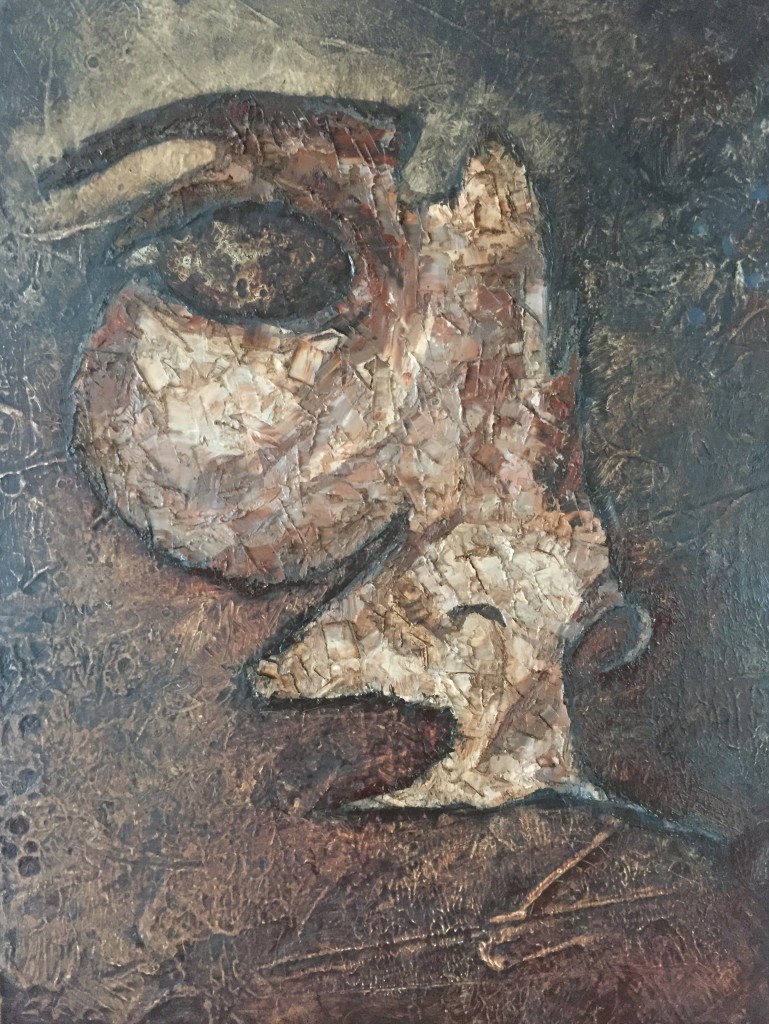
Fragment XXXIX [£700]

“Fragment XXXIX” – Oil on board, 40x30cm.

The Fragments series attempts, by the deconstruction of the portrait, to explore what lies beyond the physical and the individual, to discover what is essentially and universally human.

If we strip-away all that is unnecessary for our existence we would be left with nothing but the earth we stand on, and so the landscape is an integral part of this work. From the textures of rock and bark and the restricted palette of earth colours, to the vigorous technique of scraping the painted and sculpted surface with sandpaper and knives calling to mind the processes of erosion and corrosion, these figures are inseparable from their environment.

I’m not a traditional portrait artist, I’m not trying to describe a certain person, rather I’m interested in humanity in general, therefore very few of my paintings and sculptures include eyes, which would immediately tie the work to an individual.

The portrait is further abstracted, sometimes with a sense of fluidity, examining the effect of motion on the face, other times in a geometric fashion, suggestive of the broken reclics of ancient civilisations. However, by ensuring that the subject has a sense of volume, weight and substance, I hope that what is revealed by deconstructing the portrait might be just as tangible.

The viewer is encouraged to look beyond the surface features, to continue the process of stripping-away the unnecessary and consider ideas of mental health, identity, spirituality, the soul and our connection with the earth. The fragmentation of the portrait is sometimes uncomfortable because it deals with the fragility of existence.
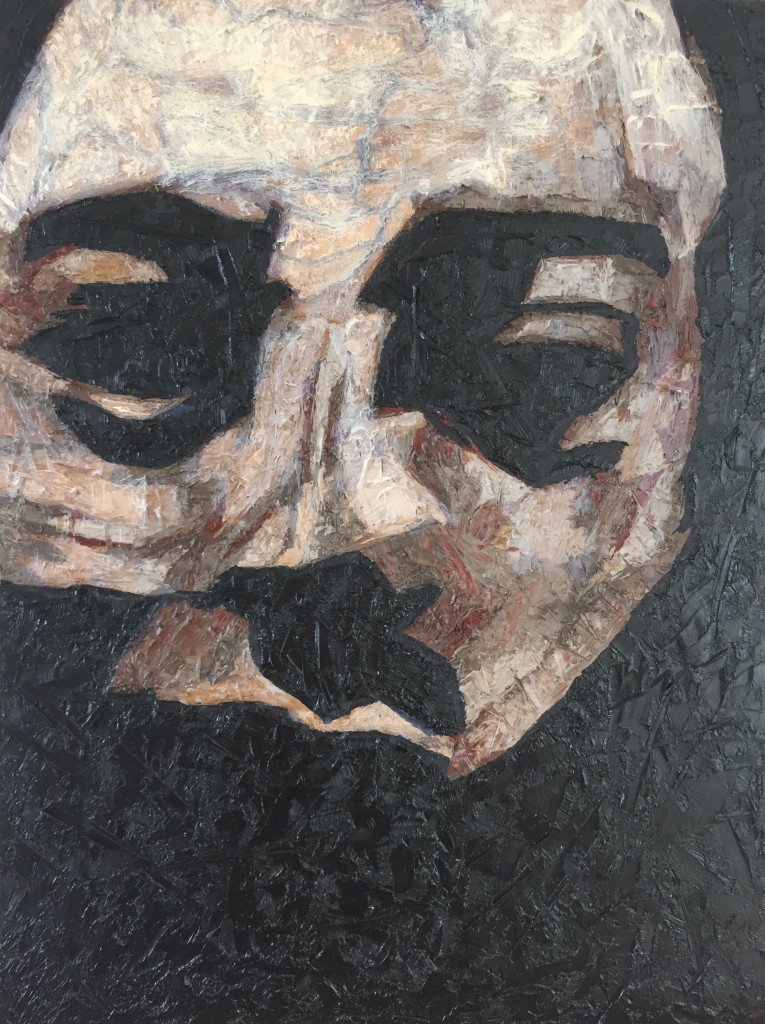
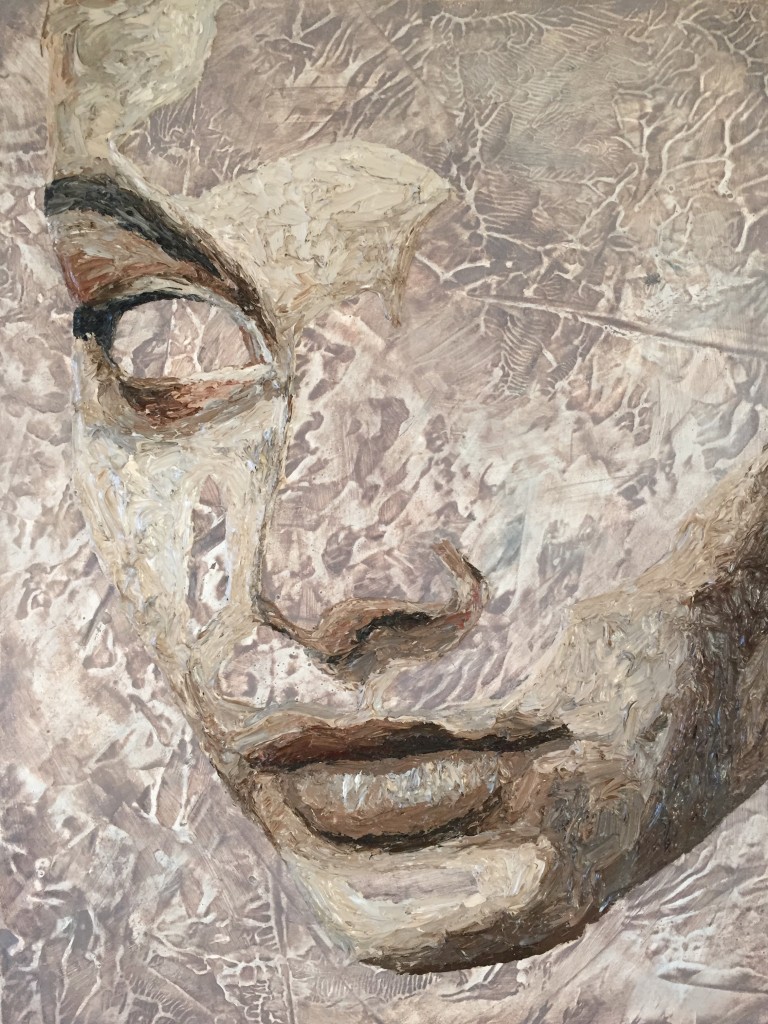
Fragment XXXVIII [£700]

“Fragment XXXVIII” – Oil on board, 40x30cm.

The Fragments series attempts, by the deconstruction of the portrait, to explore what lies beyond the physical and the individual, to discover what is essentially and universally human.

If we strip-away all that is unnecessary for our existence we would be left with nothing but the earth we stand on, and so the landscape is an integral part of this work. From the textures of rock and bark and the restricted palette of earth colours, to the vigorous technique of scraping the painted and sculpted surface with sandpaper and knives calling to mind the processes of erosion and corrosion, these figures are inseparable from their environment.

I’m not a traditional portrait artist, I’m not trying to describe a certain person, rather I’m interested in humanity in general, therefore very few of my paintings and sculptures include eyes, which would immediately tie the work to an individual.

The portrait is further abstracted, sometimes with a sense of fluidity, examining the effect of motion on the face, other times in a geometric fashion, suggestive of the broken reclics of ancient civilisations. However, by ensuring that the subject has a sense of volume, weight and substance, I hope that what is revealed by deconstructing the portrait might be just as tangible.

The viewer is encouraged to look beyond the surface features, to continue the process of stripping-away the unnecessary and consider ideas of mental health, identity, spirituality, the soul and our connection with the earth. The fragmentation of the portrait is sometimes uncomfortable because it deals with the fragility of existence.
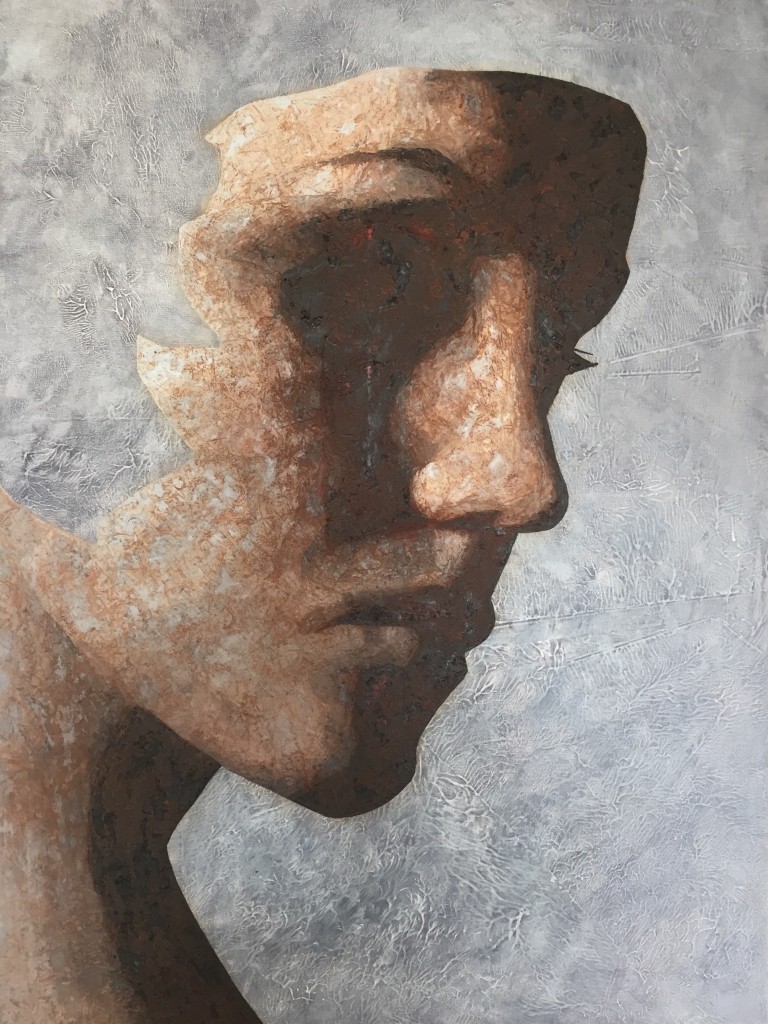
Fragment XXXIV [£700]

“Fragment XXXIV” – Oil on board, 40x30cm.

The Fragments series attempts, by the deconstruction of the portrait, to explore what lies beyond the physical and the individual, to discover what is essentially and universally human.

If we strip-away all that is unnecessary for our existence we would be left with nothing but the earth we stand on, and so the landscape is an integral part of this work. From the textures of rock and bark and the restricted palette of earth colours, to the vigorous technique of scraping the painted and sculpted surface with sandpaper and knives calling to mind the processes of erosion and corrosion, these figures are inseparable from their environment.

I’m not a traditional portrait artist, I’m not trying to describe a certain person, rather I’m interested in humanity in general, therefore very few of my paintings and sculptures include eyes, which would immediately tie the work to an individual.

The portrait is further abstracted, sometimes with a sense of fluidity, examining the effect of motion on the face, other times in a geometric fashion, suggestive of the broken reclics of ancient civilisations. However, by ensuring that the subject has a sense of volume, weight and substance, I hope that what is revealed by deconstructing the portrait might be just as tangible.

The viewer is encouraged to look beyond the surface features, to continue the process of stripping-away the unnecessary and consider ideas of mental health, identity, spirituality, the soul and our connection with the earth. The fragmentation of the portrait is sometimes uncomfortable because it deals with the fragility of existence.
Fragment XXXIII [SOLD]

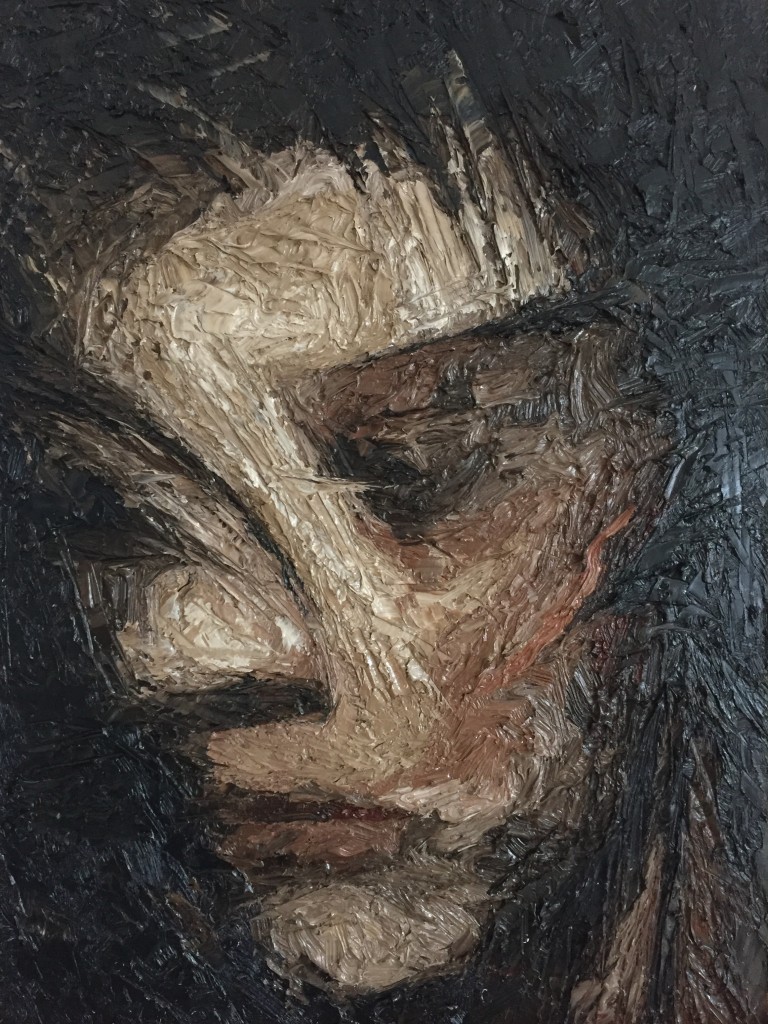
“Fragment XXXIII” – Oil on canvas, 100x75cm.

The Fragments series attempts, by the deconstruction of the portrait, to explore what lies beyond the physical and the individual, to discover what is essentially and universally human.

If we strip-away all that is unnecessary for our existence we would be left with nothing but the earth we stand on, and so the landscape is an integral part of this work. From the textures of rock and bark and the restricted palette of earth colours, to the vigorous technique of scraping the painted and sculpted surface with sandpaper and knives calling to mind the processes of erosion and corrosion, these figures are inseparable from their environment.

I’m not a traditional portrait artist, I’m not trying to describe a certain person, rather I’m interested in humanity in general, therefore very few of my paintings and sculptures include eyes, which would immediately tie the work to an individual.

The portrait is further abstracted, sometimes with a sense of fluidity, examining the effect of motion on the face, other times in a geometric fashion, suggestive of the broken reclics of ancient civilisations. However, by ensuring that the subject has a sense of volume, weight and substance, I hope that what is revealed by deconstructing the portrait might be just as tangible.

The viewer is encouraged to look beyond the surface features, to continue the process of stripping-away the unnecessary and consider ideas of mental health, identity, spirituality, the soul and our connection with the earth. The fragmentation of the portrait is sometimes uncomfortable because it deals with the fragility of existence.
Fragment XXXII [SOLD]

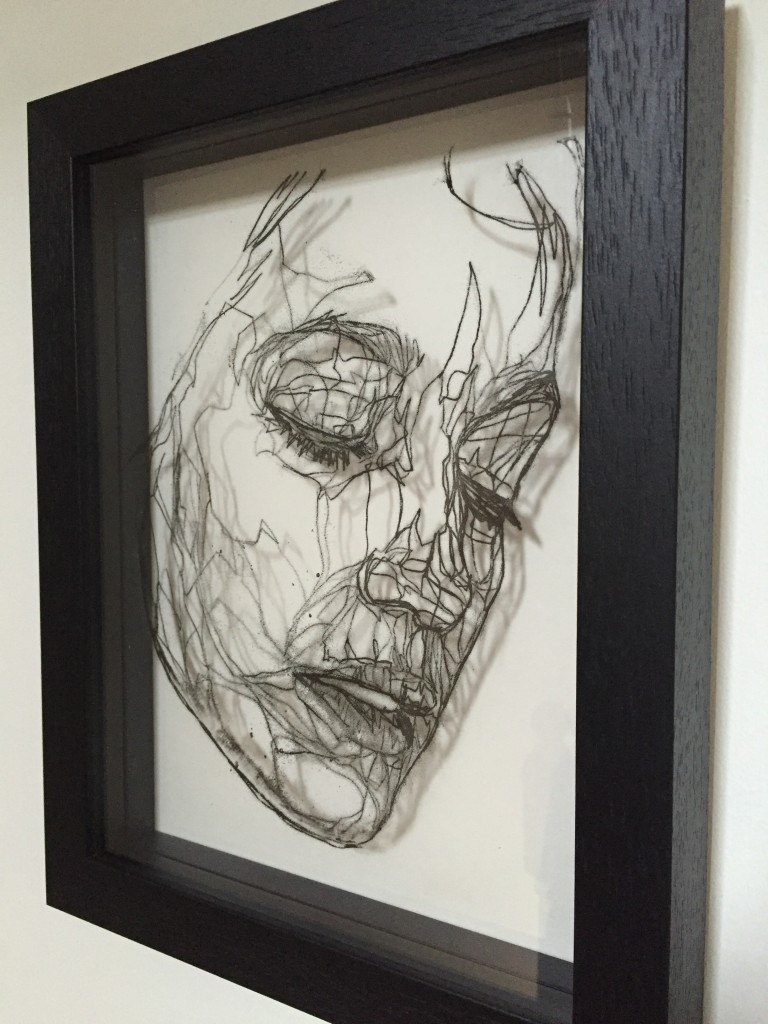
“Fragment XXXII” – Oil on board, 40x30cm.

The Fragments series attempts, by the deconstruction of the portrait, to explore what lies beyond the physical and the individual, to discover what is essentially and universally human.

If we strip-away all that is unnecessary for our existence we would be left with nothing but the earth we stand on, and so the landscape is an integral part of this work. From the textures of rock and bark and the restricted palette of earth colours, to the vigorous technique of scraping the painted and sculpted surface with sandpaper and knives calling to mind the processes of erosion and corrosion, these figures are inseparable from their environment.

I’m not a traditional portrait artist, I’m not trying to describe a certain person, rather I’m interested in humanity in general, therefore very few of my paintings and sculptures include eyes, which would immediately tie the work to an individual.

The portrait is further abstracted, sometimes with a sense of fluidity, examining the effect of motion on the face, other times in a geometric fashion, suggestive of the broken reclics of ancient civilisations. However, by ensuring that the subject has a sense of volume, weight and substance, I hope that what is revealed by deconstructing the portrait might be just as tangible.

The viewer is encouraged to look beyond the surface features, to continue the process of stripping-away the unnecessary and consider ideas of mental health, identity, spirituality, the soul and our connection with the earth. The fragmentation of the portrait is sometimes uncomfortable because it deals with the fragility of existence.
Cast I [SOLD]

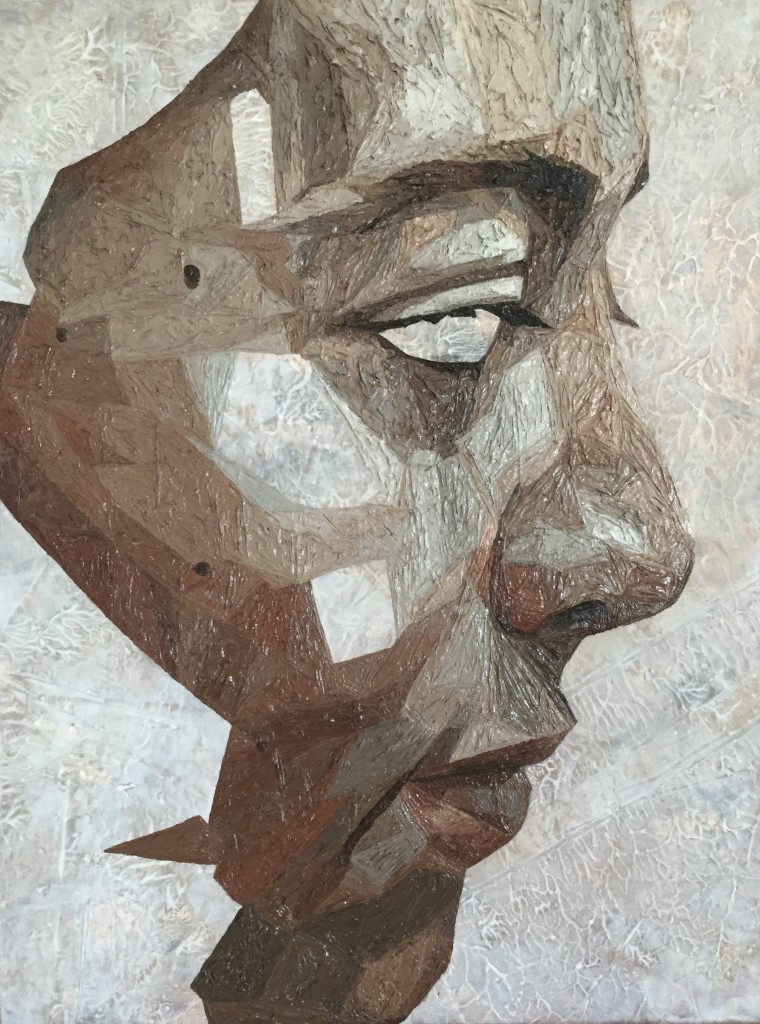
“Cast I’ – Ink monotype on plastic + shadow on card, 30×22.5cm

Further experiments using traditional techniques in unconventional ways have resulted in the Cast series.

The single, continuous, rapidly drawn line appears suspended, and the shadow it casts encourages the viewer to look beyond the surface, behind the mask.

Fragment XXXI [£700]

“Fragment XXXI” – Oil on board, 40x30cm.

The Fragments series attempts, by the deconstruction of the portrait, to explore what lies beyond the physical and the individual, to discover what is essentially and universally human.

If we strip-away all that is unnecessary for our existence we would be left with nothing but the earth we stand on, and so the landscape is an integral part of this work. From the textures of rock and bark and the restricted palette of earth colours, to the vigorous technique of scraping the painted and sculpted surface with sandpaper and knives calling to mind the processes of erosion and corrosion, these figures are inseparable from their environment.

I’m not a traditional portrait artist, I’m not trying to describe a certain person, rather I’m interested in humanity in general, therefore very few of my paintings and sculptures include eyes, which would immediately tie the work to an individual.

The portrait is further abstracted, sometimes with a sense of fluidity, examining the effect of motion on the face, other times in a geometric fashion, suggestive of the broken reclics of ancient civilisations. However, by ensuring that the subject has a sense of volume, weight and substance, I hope that what is revealed by deconstructing the portrait might be just as tangible.

The viewer is encouraged to look beyond the surface features, to continue the process of stripping-away the unnecessary and consider ideas of mental health, identity, spirituality, the soul and our connection with the earth. The fragmentation of the portrait is sometimes uncomfortable because it deals with the fragility of existence.
Fragment XXX [SOLD]

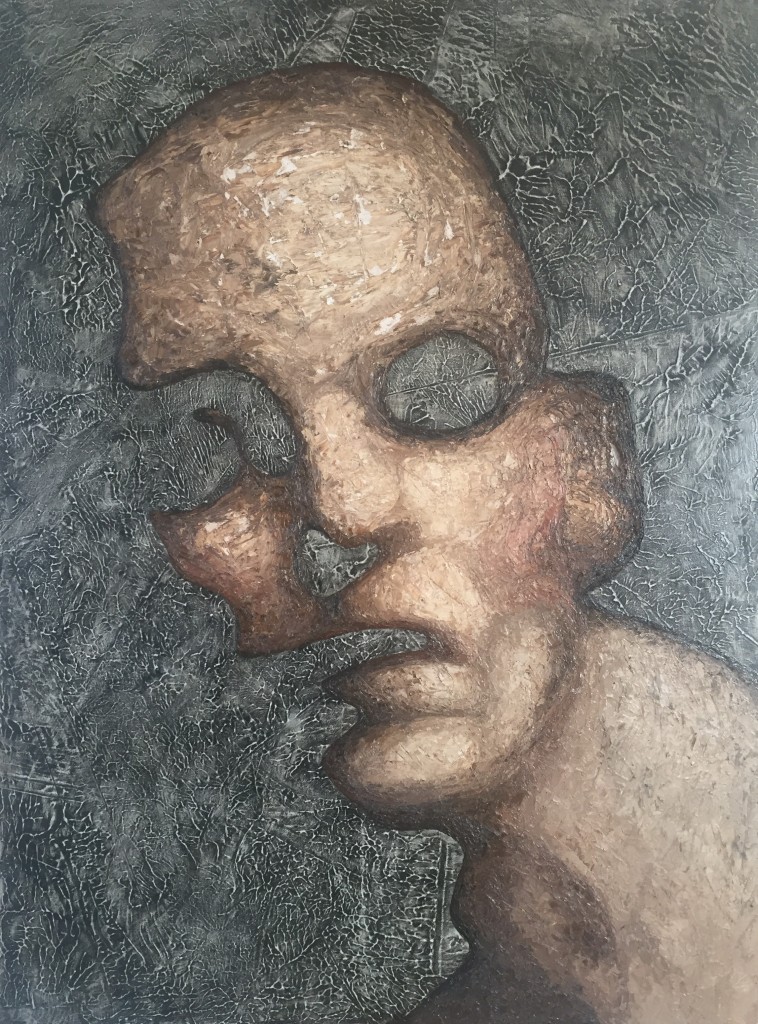
“Fragment XXX” – Oil on canvas, 100x75cm.

The Fragments series attempts, by the deconstruction of the portrait, to explore what lies beyond the physical and the individual, to discover what is essentially and universally human.

If we strip-away all that is unnecessary for our existence we would be left with nothing but the earth we stand on, and so the landscape is an integral part of this work. From the textures of rock and bark and the restricted palette of earth colours, to the vigorous technique of scraping the painted and sculpted surface with sandpaper and knives calling to mind the processes of erosion and corrosion, these figures are inseparable from their environment.

I’m not a traditional portrait artist, I’m not trying to describe a certain person, rather I’m interested in humanity in general, therefore very few of my paintings and sculptures include eyes, which would immediately tie the work to an individual.

The portrait is further abstracted, sometimes with a sense of fluidity, examining the effect of motion on the face, other times in a geometric fashion, suggestive of the broken reclics of ancient civilisations. However, by ensuring that the subject has a sense of volume, weight and substance, I hope that what is revealed by deconstructing the portrait might be just as tangible.

The viewer is encouraged to look beyond the surface features, to continue the process of stripping-away the unnecessary and consider ideas of mental health, identity, spirituality, the soul and our connection with the earth. The fragmentation of the portrait is sometimes uncomfortable because it deals with the fragility of existence.
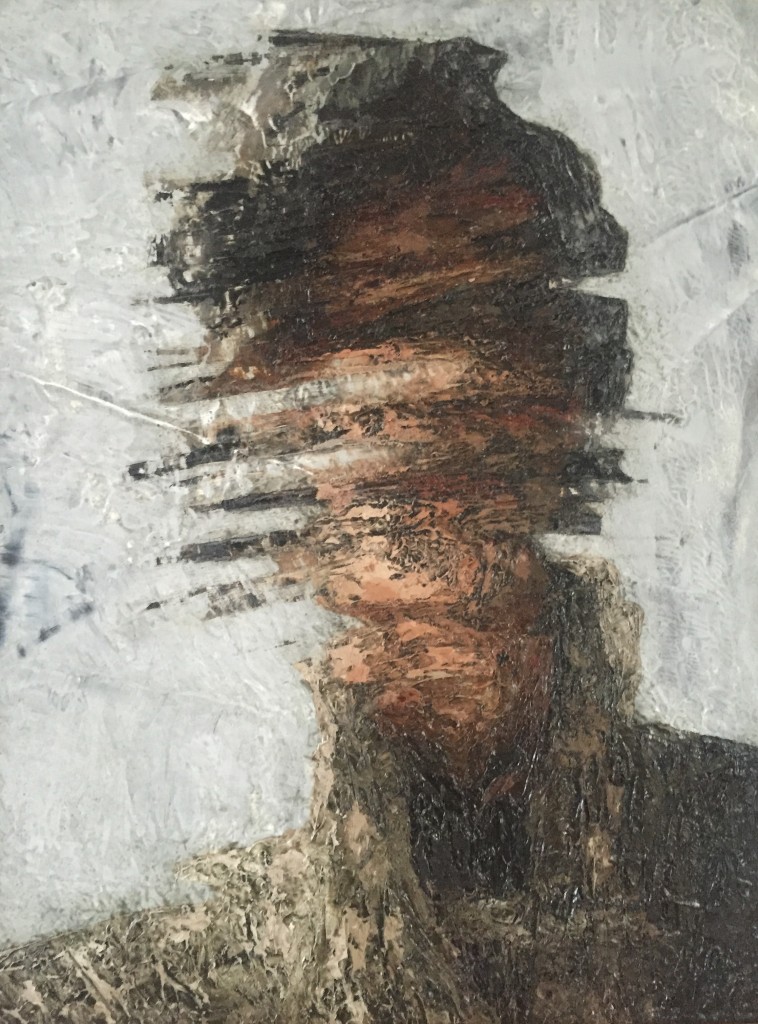
Fragment XXIX [SOLD]

“Fragment XXIX” – Oil on board, 40x30cm.

The Fragments series attempts, by the deconstruction of the portrait, to explore what lies beyond the physical and the individual, to discover what is essentially and universally human.

If we strip-away all that is unnecessary for our existence we would be left with nothing but the earth we stand on, and so the landscape is an integral part of this work. From the textures of rock and bark and the restricted palette of earth colours, to the vigorous technique of scraping the painted and sculpted surface with sandpaper and knives calling to mind the processes of erosion and corrosion, these figures are inseparable from their environment.

I’m not a traditional portrait artist, I’m not trying to describe a certain person, rather I’m interested in humanity in general, therefore very few of my paintings and sculptures include eyes, which would immediately tie the work to an individual.

The portrait is further abstracted, sometimes with a sense of fluidity, examining the effect of motion on the face, other times in a geometric fashion, suggestive of the broken reclics of ancient civilisations. However, by ensuring that the subject has a sense of volume, weight and substance, I hope that what is revealed by deconstructing the portrait might be just as tangible.

The viewer is encouraged to look beyond the surface features, to continue the process of stripping-away the unnecessary and consider ideas of mental health, identity, spirituality, the soul and our connection with the earth. The fragmentation of the portrait is sometimes uncomfortable because it deals with the fragility of existence.
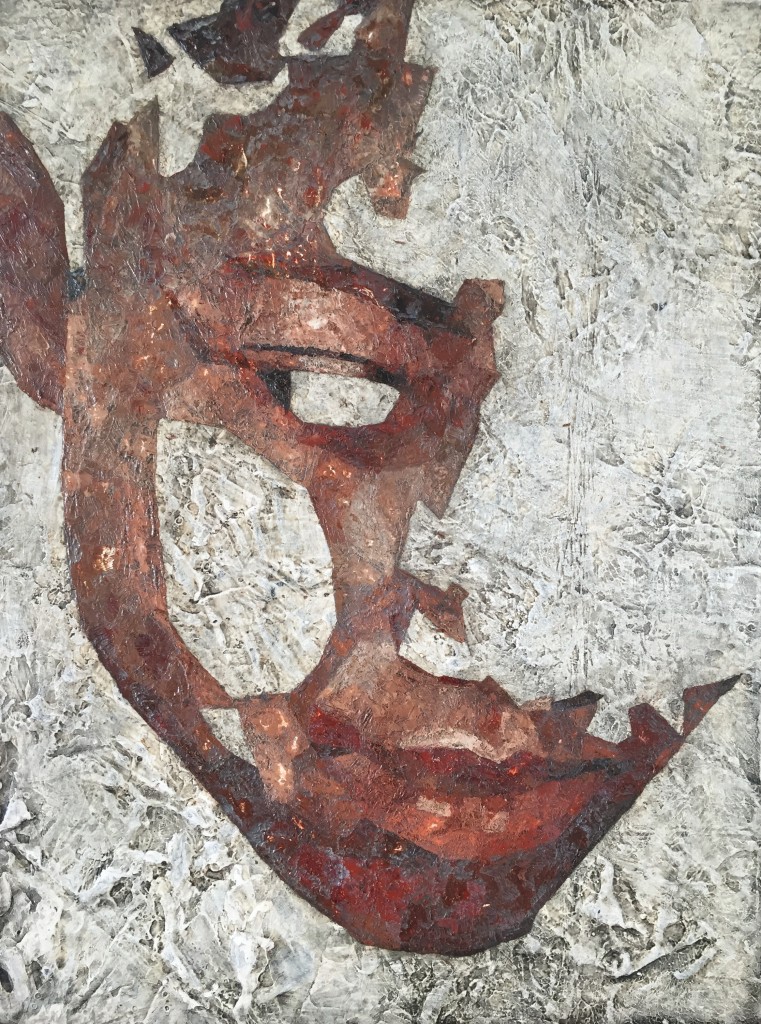
Fragment XXVIII [£700]

“Fragment XXVIII” – Oil on board, 40x30cm.

The Fragments series attempts, by the deconstruction of the portrait, to explore what lies beyond the physical and the individual, to discover what is essentially and universally human.

If we strip-away all that is unnecessary for our existence we would be left with nothing but the earth we stand on, and so the landscape is an integral part of this work. From the textures of rock and bark and the restricted palette of earth colours, to the vigorous technique of scraping the painted and sculpted surface with sandpaper and knives calling to mind the processes of erosion and corrosion, these figures are inseparable from their environment.

I’m not a traditional portrait artist, I’m not trying to describe a certain person, rather I’m interested in humanity in general, therefore very few of my paintings and sculptures include eyes, which would immediately tie the work to an individual.

The portrait is further abstracted, sometimes with a sense of fluidity, examining the effect of motion on the face, other times in a geometric fashion, suggestive of the broken reclics of ancient civilisations. However, by ensuring that the subject has a sense of volume, weight and substance, I hope that what is revealed by deconstructing the portrait might be just as tangible.

The viewer is encouraged to look beyond the surface features, to continue the process of stripping-away the unnecessary and consider ideas of mental health, identity, spirituality, the soul and our connection with the earth. The fragmentation of the portrait is sometimes uncomfortable because it deals with the fragility of existence.